DHCH@ISR
DHCH26
Big Data in Text Recognition and Image Publication
While current state-of-the-art methods allow us to process large volumes of documents with good results, this data reuse has only marginally advanced the methodologies in the humanities, which primarily focus on qualitative questions. This year's DHCH summer school aims to facilitate discussions among researchers, GLAM specialists, digitization experts, and the wider DHCH community. With the goal to support the next generation not only to profit from the developments but also to rethink approaches to the material of the past.

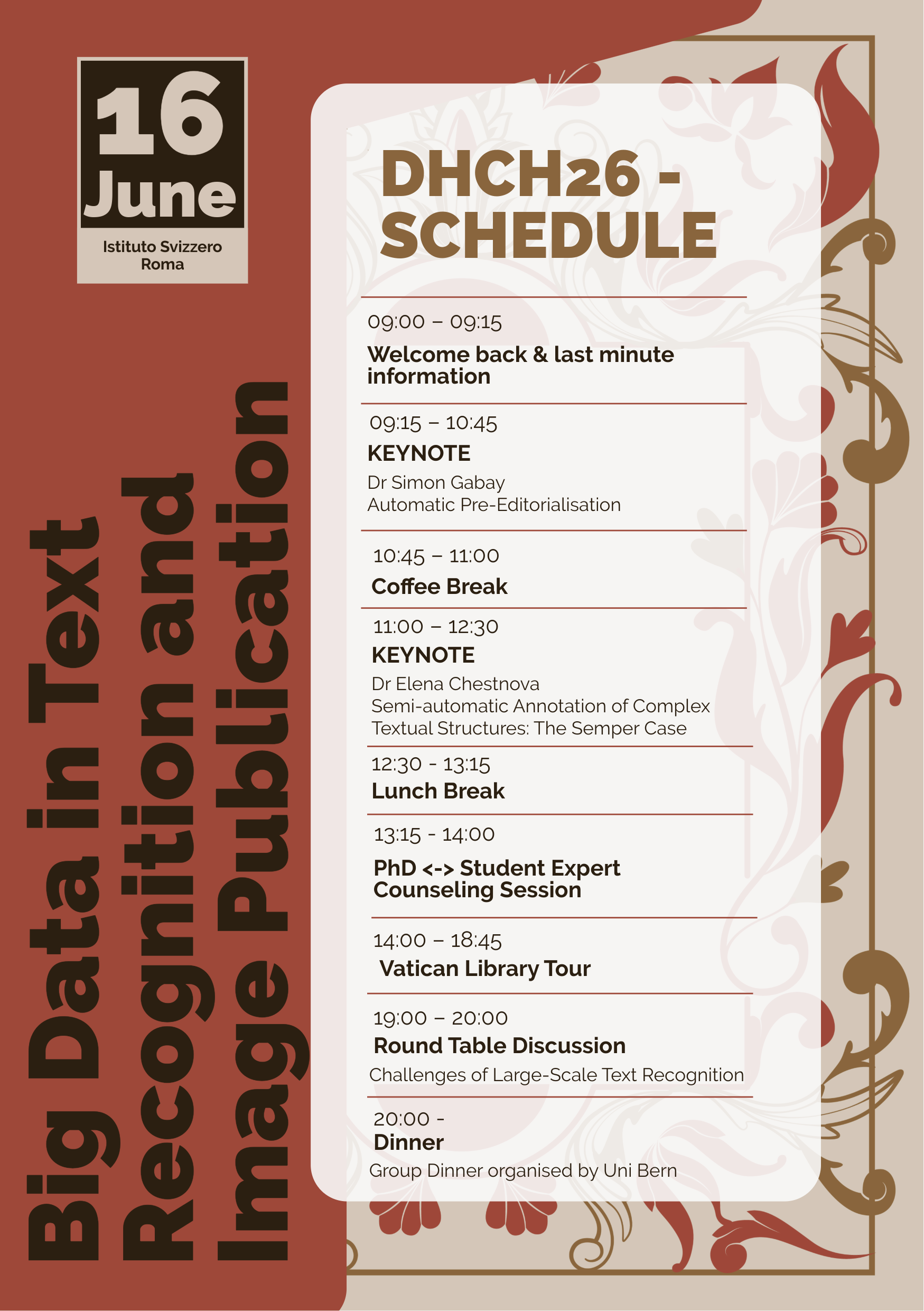


Our Key Note Speakers
Dr William Duba
William Duba (Ph.D., History, University of Iowa, 2006; Habilitation, Philosophy, University of Fribourg, 2017), is a specialist in medieval intellectual history, history of philosophy and theology, and fragmentology. His work with medieval manuscripts brought him back to Fribourg in 2016 to manage the Fragmentarium: Laboratory for Medieval Manuscript Fragments project. Since 2022, he has also been responsible for coordinating e-codices: Virtual Manuscript Library of Switzerland for the University of Fribourg.
Dr Simon Gabay
Simon Gabay studied at Paris IV-Sorbonne and the University of St Andrews before completing a PhD in Latin philology at the University of Amsterdam (UvA), with a dissertation on the history of the actor in the Middle Ages. He then pursued postdoctoral research in computational philology as part of a Swiss National Science Foundation (SNSF) project on the manuscripts of Sévigné at the University of Neuchâtel, where he established the first courses in digital humanities.
In 2020, he joined the University of Geneva as a Maître-assistant under the chair of Béatrice Joyeux-Prunel, where he leads the FreEM project (resources and applications for Classical French) and FoNDUE (information extraction from historical documents). He has previously led projects such as Katabase (on the late 19th-century manuscript market) and Galli(corpor)a (tools for restructuring historical documents from Gallica).
His research focuses on early modern French philology, classical French literature, natural language processing, and optical character recognition.
Dr Elena Chestnova
"I started out as an architect, moved over into history with a specific interest in material culture and into DH via digital editions. These days I lead the Gottfried Semper Edition, teach theory and history of architecture, lead two small projects on open research data (one on APIs for editions and one on semantic ontologies for text) and develop a large study of textual corpora with the aim of investigating public opinions about architecture and urban grouth in the (very) long nineteenth century.
Presentations
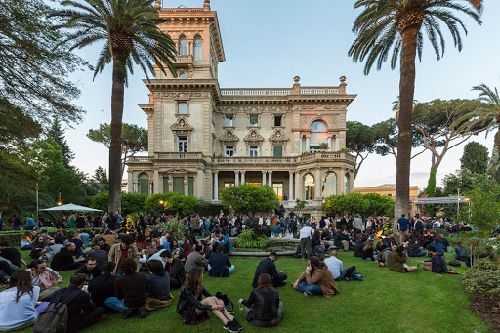
Explore the talks, speakers, and abstracts from the 2026 edition of DHCH@ISR held at the Istituto Svizzero in Rome.
Capturing the Holy Lands: Early Photography of Mecca, Medina, and Jerusalem in the Late Ottoman Empire
A semantic analysis of humilitas within the system of vices and virtues
DHCH2025
BIAS DHCH2025
Bias in computational systems is not an incidental flaw but a structural consequence of their historical development, socio-technical context, and epistemological foundations. From early mainframe computing to contemporary AI, design choices, data curation, and algorithmic modeling have reflected prevailing social norms and institutional power structures.

Presentations
Explore the talks, speakers, and abstracts from the 2025 edition of DHCH@ISR held at the Istituto Svizzero in Rome.
Bias by Absence: Mapping Loss and the Promise of NLP in Post-Disaster Urban Histories
Revealing Fault Lines of Our Visual Culture: The Implications of Text-to-Image Model Personalization
Evaluating Historical Representation in Text-to-Image Models: The HistVis Dataset
From Data to Meaning: AI and the Epistemologies of Interpretation in DAH
The interdisciplinary digital humanities event DHCH@ISR brings together international experts, doctoral students, advanced researchers, and cultural heritage institutions.
DHCH@ISR provides a unique opportunity for scholars and researchers to discuss multifaceted perspectives of the Digital Humanities, to broaden their horizons of digital practices and humanities methodologies. Supporting their thinking about Digital Humanities approaches to the different disciplines but also the arts and heritage and bring them in exchange with internationally involved institutions.
Digital Humanities Digital Transformation DHCH2024
In the 2024 event we focus on relevant and sustainable changes in/within digital transformations be it for infrastructures, projects or mediation with and for arts and culture. We delve into the world of art and cultural assets, which are often very much alive in the non-digital space, and pursue the methods that continue to weave the web of various artifacts, perspectives, and approaches in the digital realm.
Data Science and Digitization of Cultural Heritage DHCH2023
This event focuses on data science in the arts and the humanities.
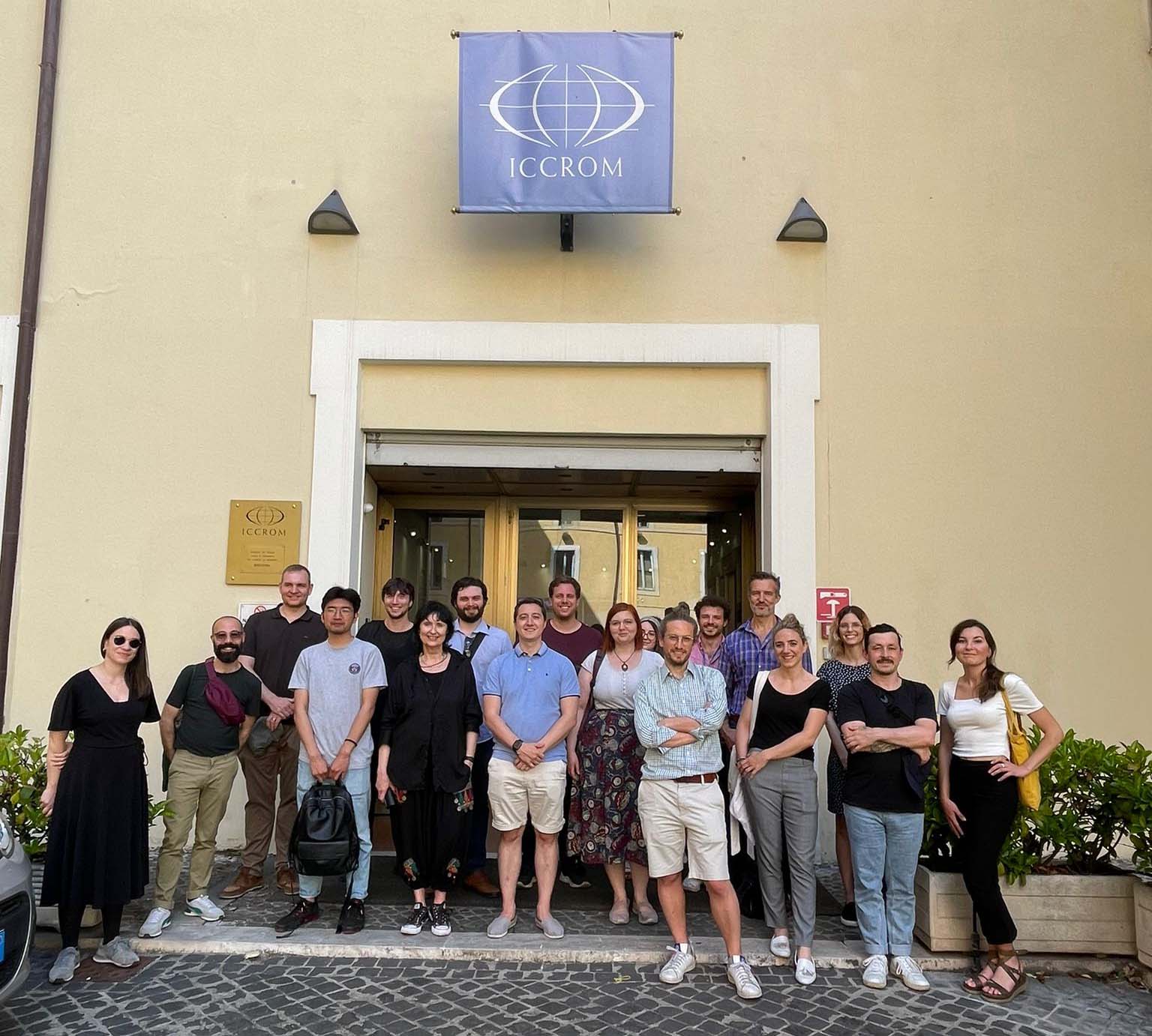
Flagship projects about text recognition, accessibility and digital sustainability of cultural heritage will be presented, and state-of-the-art methods in regard to 3D digitization will be introduced. The inalienable benefits of this research are explored, and the potential of these interventions is examined. And what about common criticism? In addition to the excursion to ICCROM the annual event of the Photoconsortium - International Consortium for Photographic Heritage www.photoconsortium.net took place.
Digital Humanities Methodologies DHCH2022
Algorithmic methods are increasingly infiltrating the humanities through the use of computer-based research. This leads to fundamental changes with regard to methods employed, and consequently methodological approaches in the humanities. Leading to questions of how the different disciplines get shaped through these methods. How do we frame our methodological approaches?
That's why the focus of this event is on methodologies. By bringing together professionals working with very different methodologies we explore this topic on behalf of digital humanities.
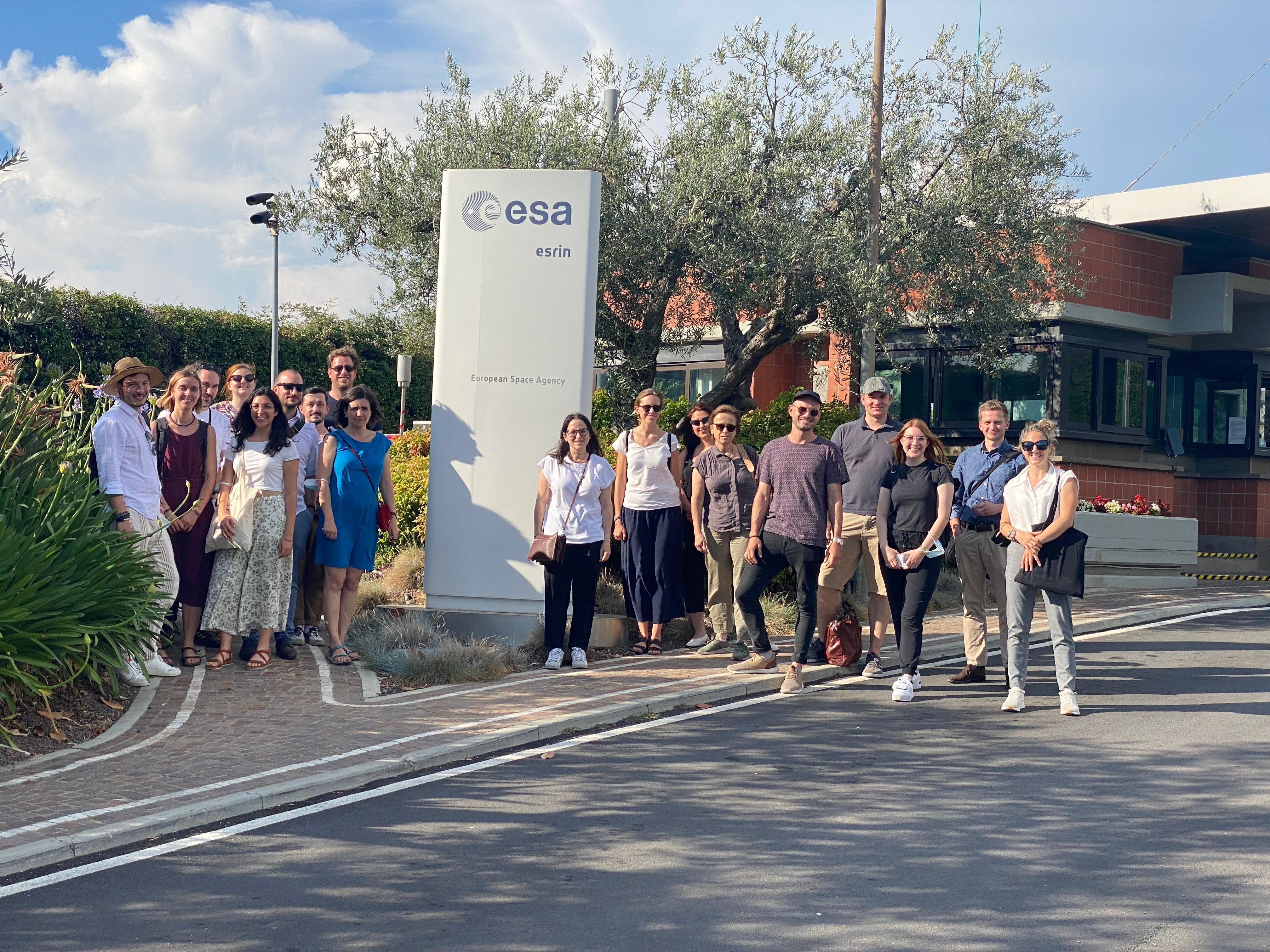
Digital Images, Metadata and Cultural Heritage Objects DHCH 2021
Metadata and semantic information are crucial for most operations with data. Enriching images with words and words with images is more important than ever.
That's why the focus of the starting event is on image-based research. This can be demonstrated particularly well by the research on cultural heritage, as important sources of great importance for our social and cultural identity. The change towards digital methods and tools is essential in this context in several ways since the form of capturing technology as well as the visualization of content changed greatly with the advent of the digital.
Public Webinar @ ISR Presentations Speakers Location zenodo community
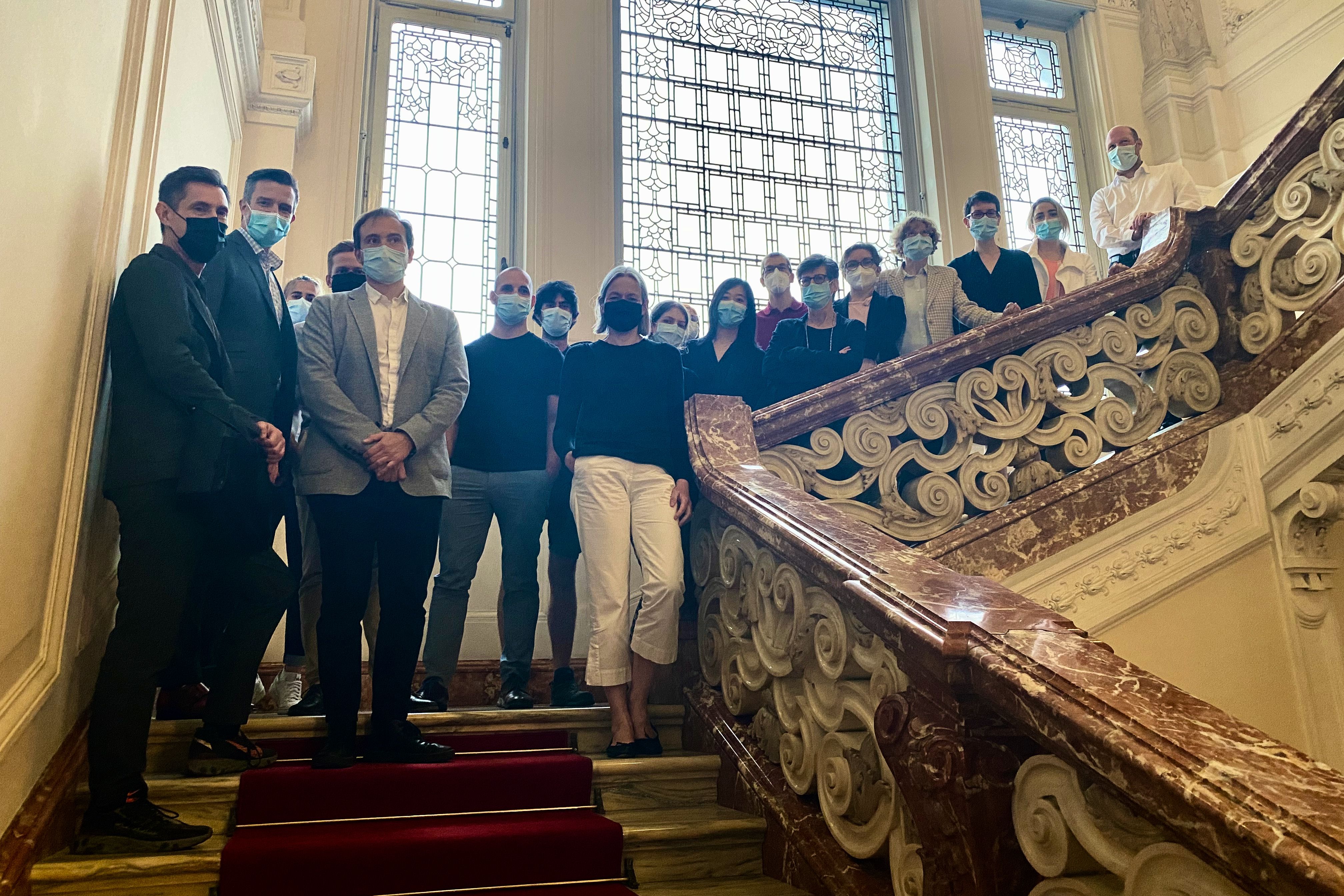
DHCH Youtube Channel
Location
The interdisciplinary Digital Humanities Research Workshop DHCH@ISR brings together international experts, doctoral students, advanced researchers, and cultural heritage institutions.
At the Istituto Svizzero in Rome Digital Humanities researchers who are spread all over Switzerland can get together at the beautiful, inspiring, and unique venue.